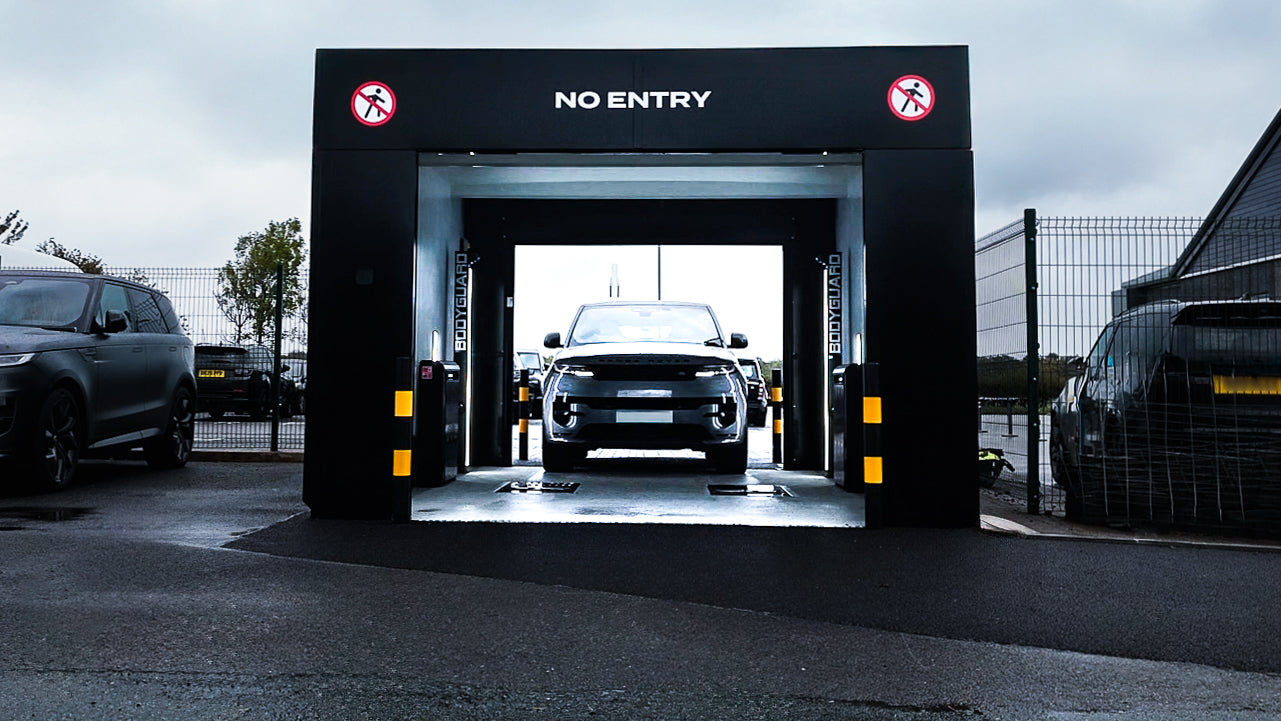


Drive-through inspection tunnels are becoming a key part of modern workshops, changing how vehicles are received and inspected from the moment they arrive. This article looks at how they work, what they produce, and how they fit into the day-to-day running of a site.
The tunnel sits in the arrival route, so the car is checked as it comes onto site, with no booking in and no stopping. By the time the driver reaches reception, the advisor already has the results.
See It In Action


Inside the tunnel.
 Bodyguard
Cameras capture the bodywork from every angle and store it against the plate.
 Quick Tread Edge
A drive-over scanner reads the tread across all four tyres.
Quick Check DriveLasers check the wheel alignment in seconds, fully touchless.

Reads the number plate on entry and films the bodywork in high definition as the car passes through.
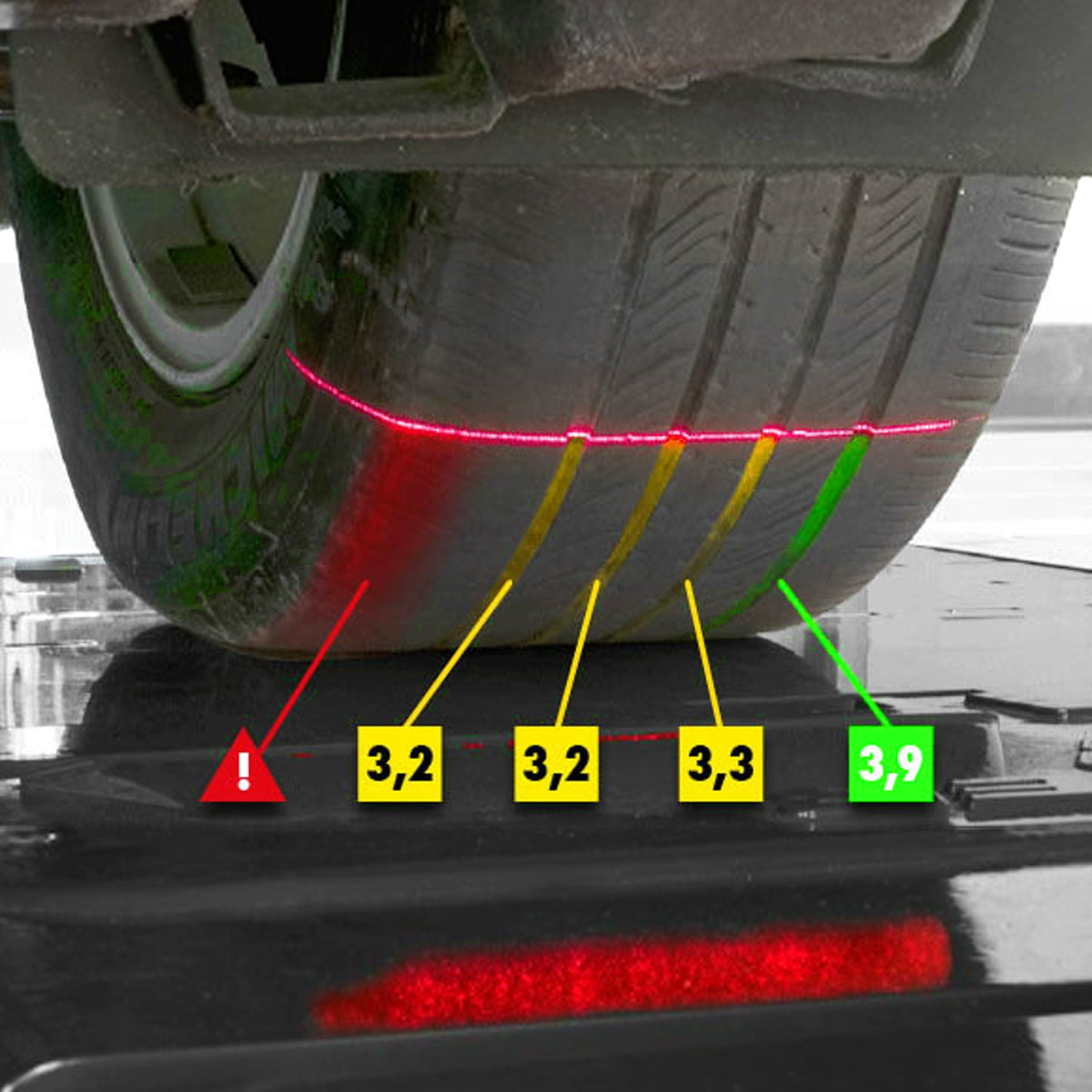
A drive-over scanner builds a colour 3D image of each tyre's contact patch, picking up wear that is easy to miss by eye.
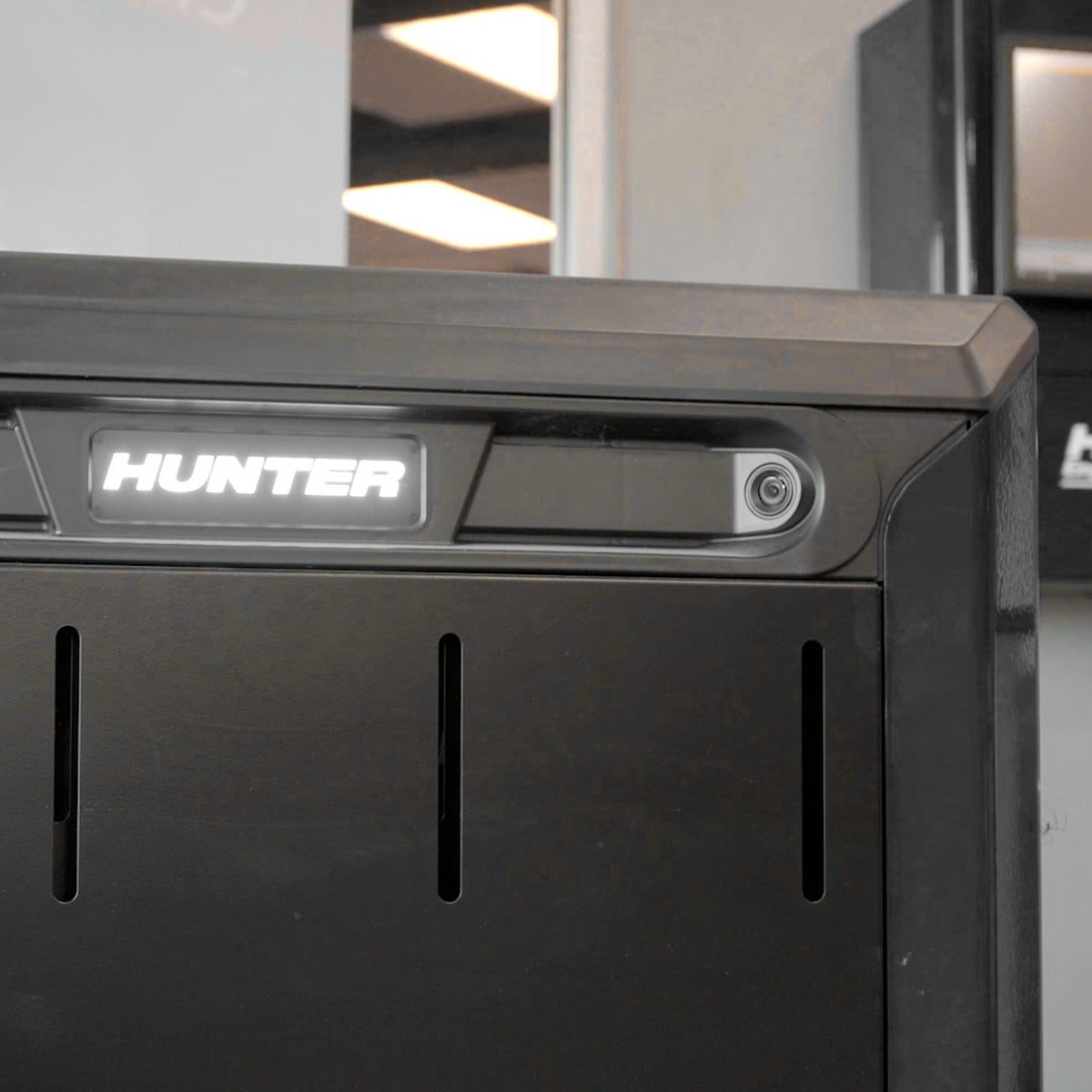
Lasers and lenses read toe and camber in about five seconds, touchless, as the car drives over.
Every car that clears the tunnel appears on the reception screen straight away, with its tyres, alignment and body condition shown at a glance.
Bodyguard films the car from up to ten angles as it drives through and stores the clip against the registration. If a mark is ever queried, the footage is there.
Every result comes out as one clear report, broken down so the customer can see exactly what was found.

Every vehicle here drove in for routine service or an MOT. The tunnel measured alignment and tyres on each one as it passed through, so the work it found was extra revenue the workshop would otherwise have missed.

One BMW retailer site, January to March 2026.
Across 3 months
In a 14-bay workshop
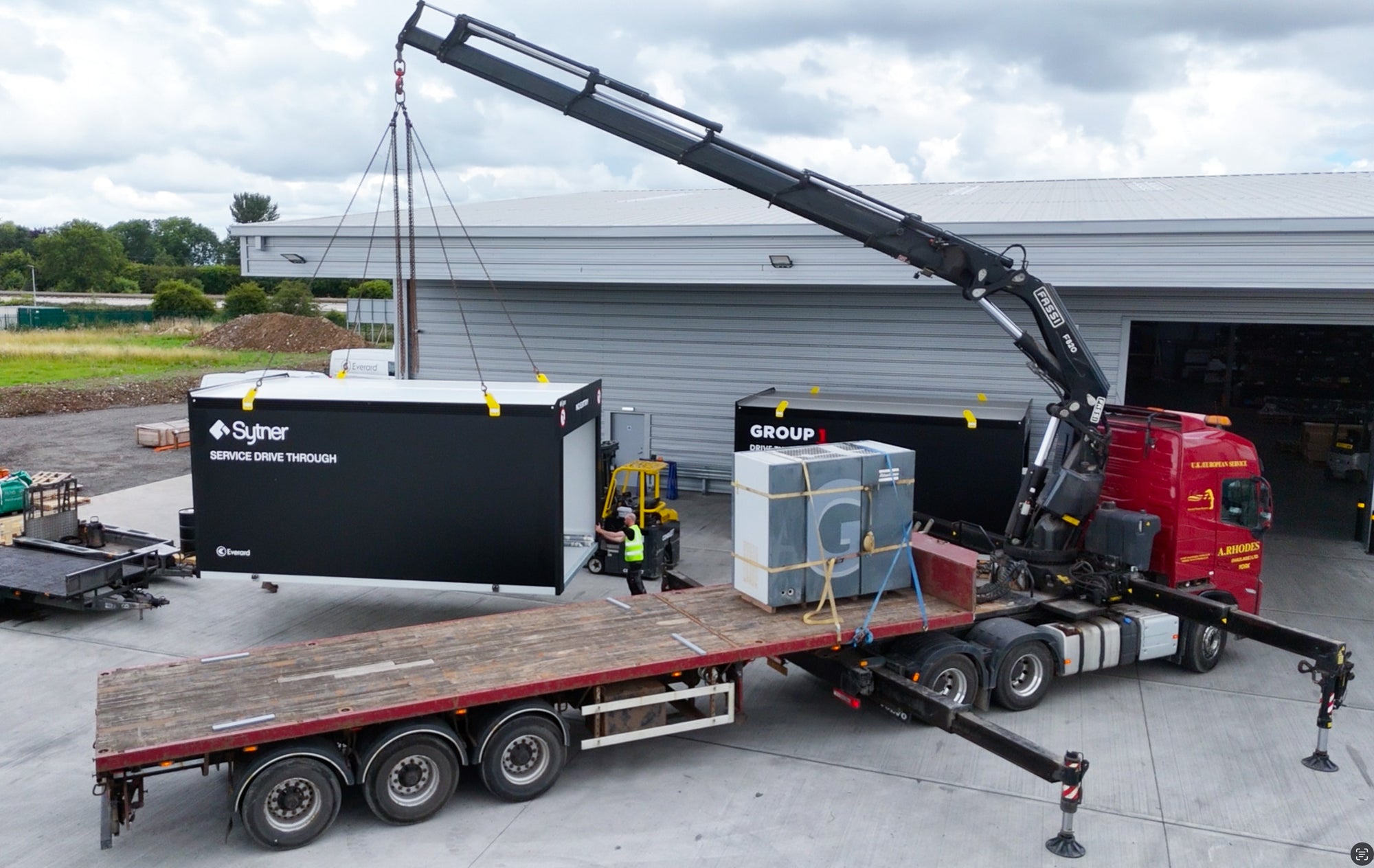
These tunnels are fabricated entirely off-site, then delivered and installed with minimal disruption.
Each structure arrives at Everard headquarters with your agreed branding and finishes in place, and our team fits all the inspection technology in-house. The unit is fully equipped before it leaves us.
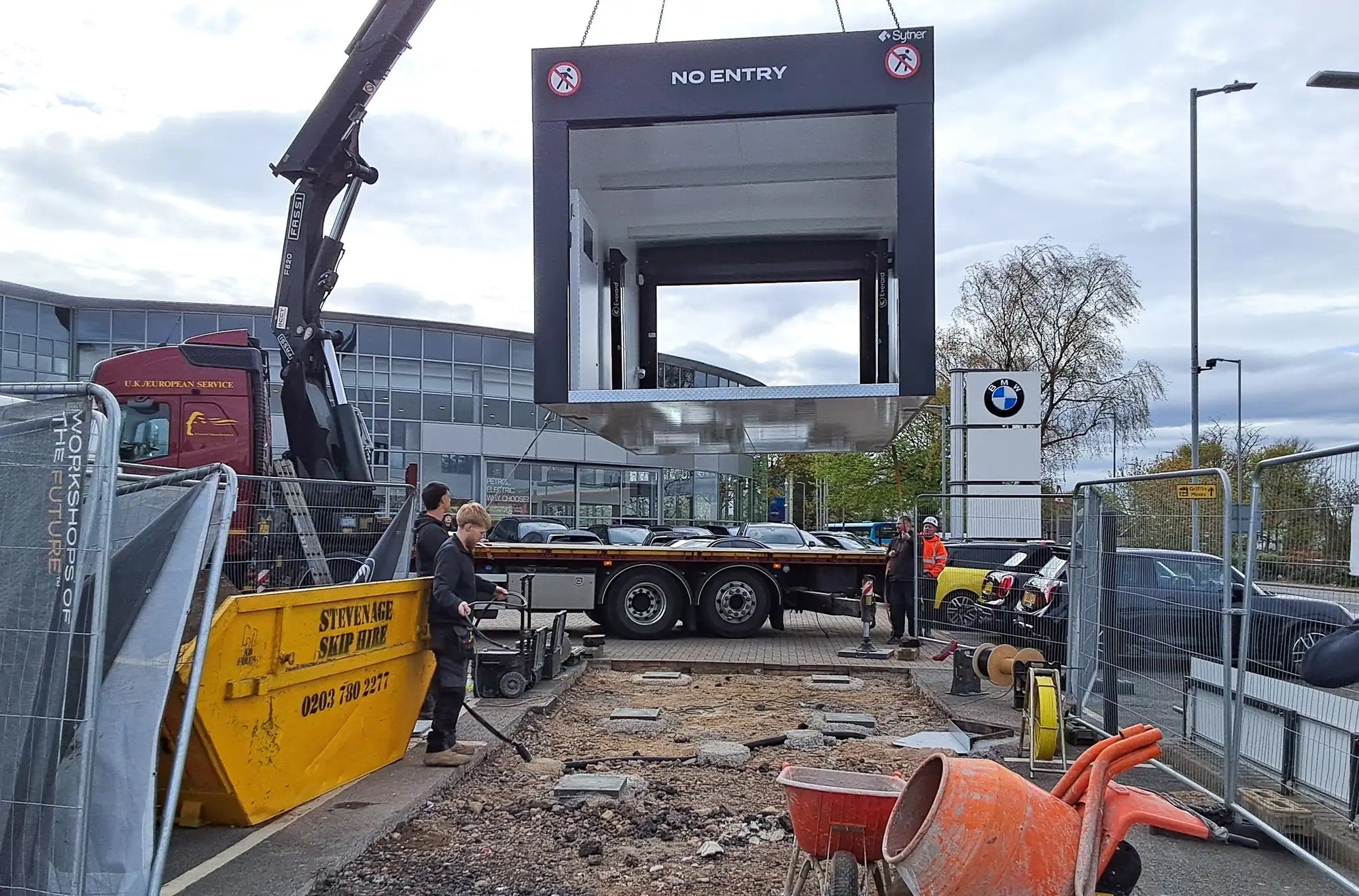
On site, our installation team manages delivery and the full setup. Where groundworks are needed we coordinate them: the recess, excavation, concrete bases and ducting for power and data.
Final installation covers the electrical and data integration, with connections to the tyre tread readers, inspection equipment, lighting and control panels. Compressed air and data can be added where needed, so the tunnel is operational from day one.
Training is delivered on-site by an Everard specialist, who spends the full day with your team and works through the system in a live environment.
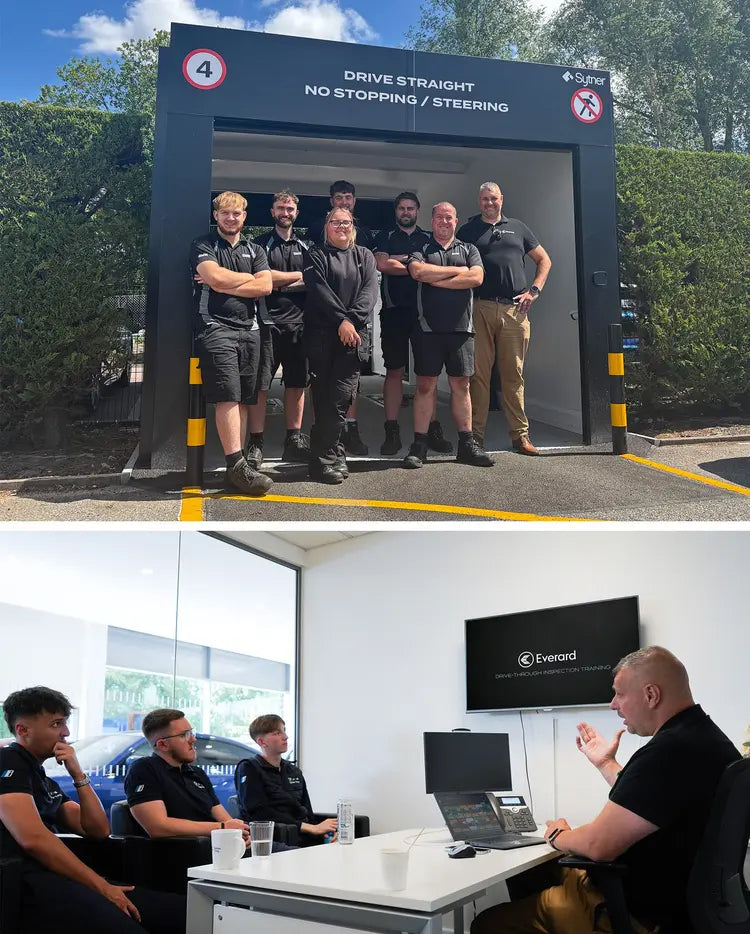
We train everyone who touches the process, with a session shaped around how each team uses the system.
How the system operates, what it measures, and how each result is read and presented to the customer.
Tell us about your site and we will help you plan the right setup.
Get in touch